
Using Facebook connects you with loved ones and communities, offering a wonderful way to share life’s moments. However, you also understandably want to keep your personal information safe and secure. Understanding your Facebook privacy settings empowers you to control who sees your posts, photos, and personal details, transforming your experience from one of worry to one of confidence and joy.
Many people find Facebook’s settings a bit overwhelming, but we will walk through them together, step-by-step. You have the power to decide what you share and with whom. This guide helps you navigate these options, giving you practical, actionable insights to make your Facebook experience private and secure. By taking control of your Facebook settings, you enhance your social media security, making sure your digital space remains yours.
Table of Contents
- Taking Control of Your Facebook Privacy
- Who Sees What You Share: The Audience Selector
- Protecting Your Profile Information
- Managing Tags and Mentions
- Blocking and Unfriending: Drawing Your Digital Boundaries
- Securing Your Account with Two-Factor Authentication
- Reviewing Your Digital Footprint: The Activity Log and Privacy Checkup
- Controlling Data for Ads and Third-Party Apps
- What to Do If Your Facebook Account Feels Compromised
- Frequently Asked Questions
- A Safer, More Private Facebook Experience
Taking Control of Your Facebook Privacy
Your Facebook profile holds many personal details, from your family photos to your thoughts and opinions. Ensuring its privacy means you decide who gets to see these parts of your life. This control is not about hiding, but about smart sharing, ensuring your information reaches only the people you trust. By understanding your Facebook settings, you gain peace of mind and significantly improve your social media security.
Think of your privacy settings as a lock and key system for your digital home. You decide who gets a key to each room. Adjusting these settings prevents unwanted eyes from seeing your posts, helps protect your identity, and reduces your risk of encountering online scams. For example, if your birthday is public, a scammer could use this information to create a more convincing fake message, pretending to be someone you know. Limiting who sees such details makes you a harder target.
Facebook regularly updates its features and privacy controls. Staying informed about these changes helps you keep your settings current. We will explore the most crucial Facebook privacy settings, showing you how to manage each one effectively.
Who Sees What You Share: The Audience Selector
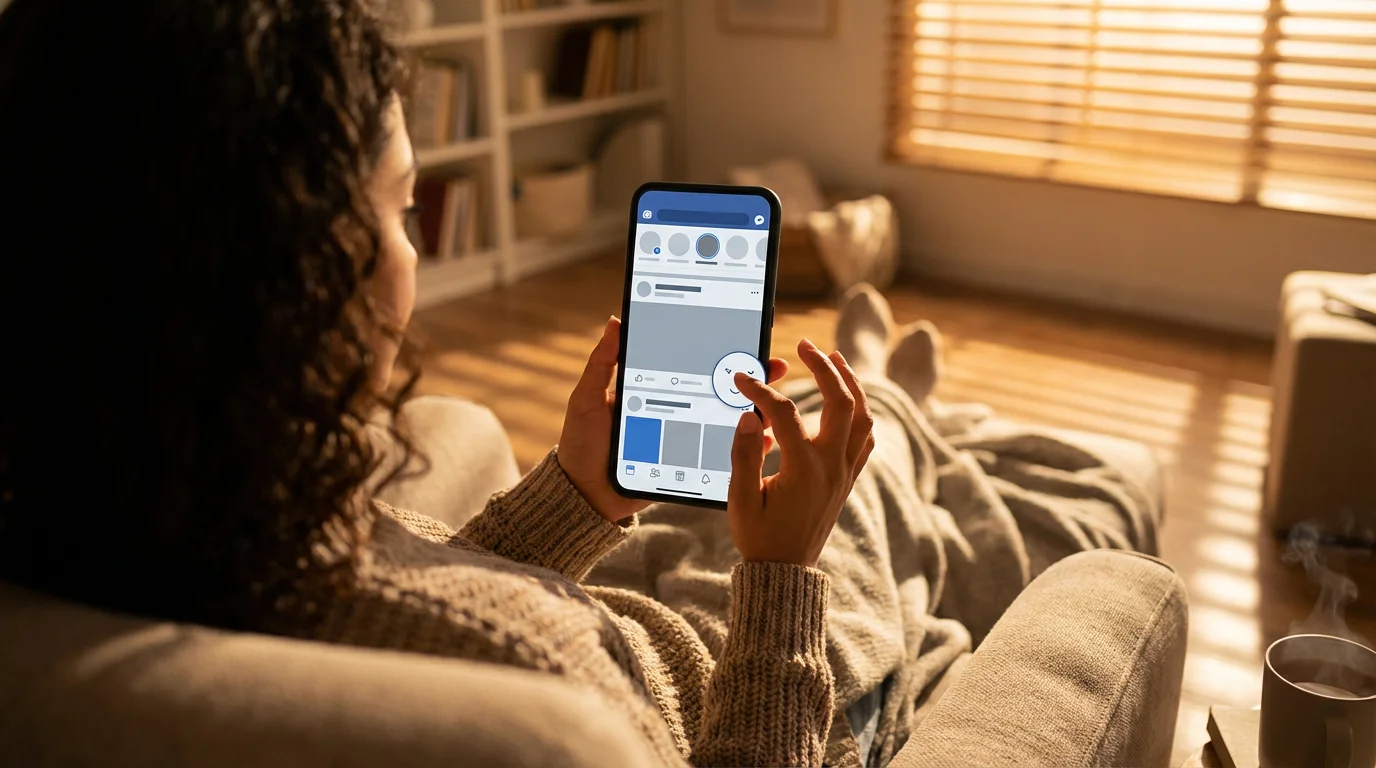
Every time you post on Facebook, you have the option to choose who sees it. This is called the “Audience Selector,” and it is one of the most powerful tools for managing your Facebook privacy. Knowing how to use it ensures your updates reach only your intended audience.
Beyond your individual posts, you might also want to explore how to see your family photos on a shared album to stay updated with loved ones more privately.

Understanding Your Audience Options:
- Public: Anyone on or off Facebook can see your post. This includes friends, friends of friends, and even people who are not logged into Facebook. Use this option sparingly for very general information, like a public event announcement.
- Friends: Only people you have accepted as friends on Facebook can see your post. This is a common and generally safe option for most personal updates.
- Friends except…: This allows you to share with most of your friends, but exclude specific individuals. For example, you might share a post about a surprise party with all friends except the person the party is for.
- Specific Friends: You select only certain friends to see your post. This is ideal for very personal updates or photos meant for a small, close group.
- Only me: Only you can see the post. This is useful for saving notes or drafts that you do not intend to share, or for testing out new features.

How to Adjust the Audience for New Posts:
When you start a new post, look for a small icon or word, usually below your name, that indicates the current audience setting (e.g., “Public,” “Friends”). Click or tap this to open a dropdown menu of audience choices. Select the option that best suits your post. Facebook will remember your last chosen audience for your next post, so always double-check before sharing.
How to Change the Audience for Past Posts:
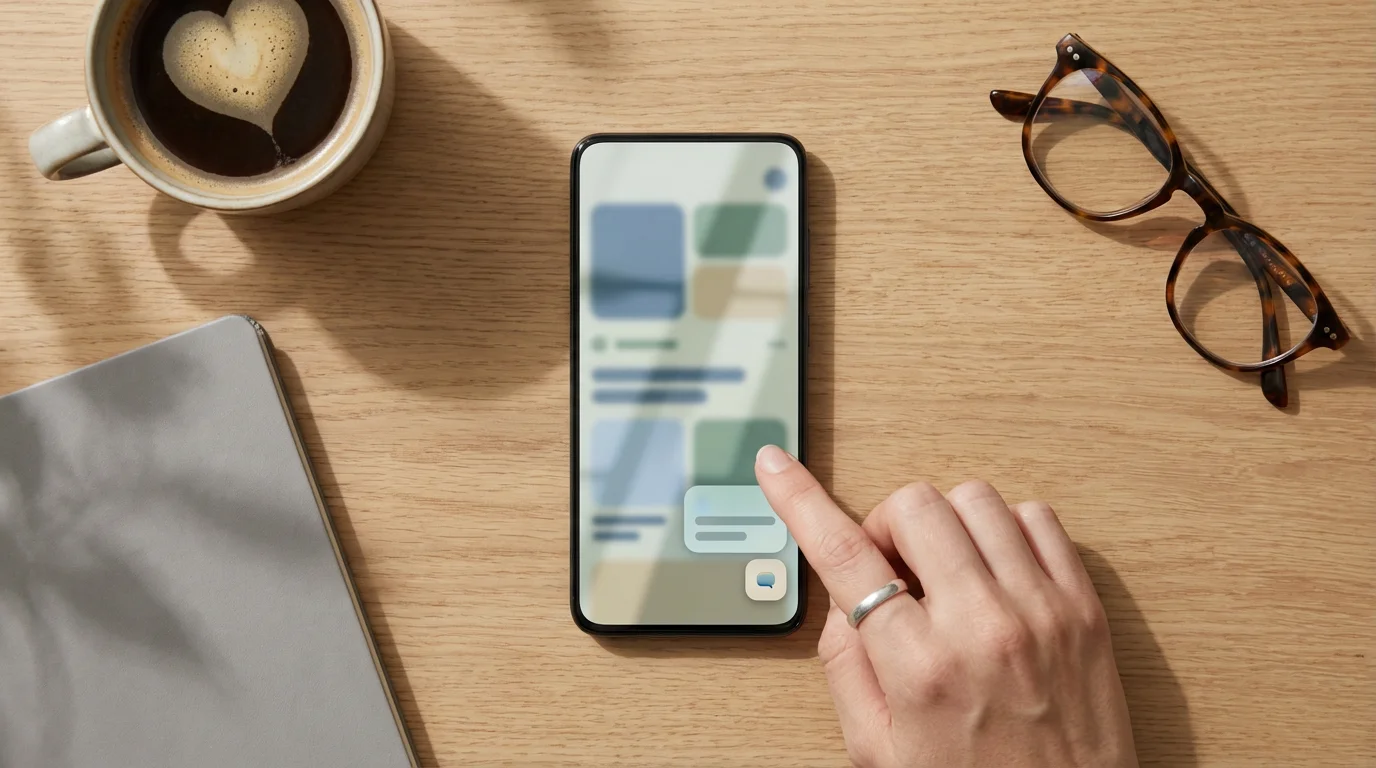
You can also adjust the privacy of posts you have already shared. Navigate to the post you want to change. Find the audience selector icon next to the timestamp (e.g., “2 hours ago”). Click or tap this icon, and then choose a new audience from the list. This instantly updates who can see that specific post.
Practical Tip: Regularly review your oldest posts, especially if you have had your Facebook account for many years. Privacy expectations change, and what you shared publicly a decade ago might not be appropriate for a public audience today. You can set a default audience for future posts in your main Facebook settings, but always remember to adjust it manually for individual posts as needed.

Protecting Your Profile Information
Your Facebook profile page acts as your digital identity. It contains important personal information, much of which you can control. Limiting who sees specific details on your profile significantly enhances your Facebook privacy and prevents scammers from gathering information about you.
Key Profile Information to Review:
- Contact Information: Your phone number, email address, and home address are highly sensitive. Consider setting these to “Only me” or “Friends” you absolutely trust. A scammer could use your phone number for unwanted calls or texts, or even attempt identity theft.
- Birthday: Many people leave their full birthday visible. However, your birth date, combined with your name and address, forms part of the essential information needed for identity verification. Consider setting your full birth date to “Only me” or limiting it to “Friends.” You can often choose to display only the month and day, keeping the year private.
- Photos: Your profile picture and cover photo are always public. However, you can control who sees your photo albums and individual photos you post. When uploading photos, use the audience selector for each album or individual picture. Review existing albums, especially those from years past, to ensure they match your current privacy preferences.
- Relationship Status, Workplace, Education: While these details seem harmless, scammers can use them to build fake profiles or tailor phishing messages. Evaluate whether you need to share these widely. For example, if your workplace is public, a scammer might pose as a colleague or HR representative.
- Family Members: Listing family members can be comforting, but it also provides a roadmap for scammers. They might impersonate a grandchild or other relative in a crisis, using the knowledge of your family connections to make their story more believable. Consider limiting who sees these connections or removing them if you prefer maximum privacy.
How to Adjust Profile Information Privacy:
Navigate to your own profile page on Facebook. Look for the “About” section. Here, you will find categories like “Work and Education,” “Places You’ve Lived,” “Contact and Basic Info,” and “Family and Relationships.” For each piece of information, you will see an edit button. Click “Edit” next to the item you want to change. A small audience selector icon will appear next to each piece of information, allowing you to choose “Public,” “Friends,” “Only me,” or custom options.
Cybersecurity Guidance: “Limit the amount of personal information you share online. Scammers can use details about your life to craft convincing phishing attempts or even attempt identity theft. Less is more when it comes to publicly accessible information.” – Cybersecurity & Infrastructure Security Agency (CISA)

Managing Tags and Mentions
Friends often tag you in photos or posts, and while well-intentioned, these tags can sometimes compromise your Facebook privacy if you do not manage them. A tag means a link to your profile appears on someone else’s post, and that post can then appear on your own timeline. You have full control over what appears on your profile, even if someone else tags you.
Understanding Tags and Mentions:
- Tagging: When someone identifies you in a photo or post. This creates a link to your profile.
- Mentions: When someone types your name with an “@” symbol (e.g., “@Your Name”) in a post or comment.

Turning on Tag Review:
This is a critical step for your social media security. Tag review allows you to approve or deny tags before they appear on your timeline. This prevents unwanted photos or posts from automatically showing up on your profile, helping you maintain a consistent image and control your Facebook privacy.
- Go to your Facebook “Settings & Privacy,” then click “Settings.”
- In the left-hand menu, look for “Profile and Tagging.”
- Find the section titled “Reviewing.”
- Turn on the option “Review posts that you’re tagged in before the post appears on your profile.”
- Also, consider turning on “Review tags people add to your posts before the tags appear on Facebook.” This gives you double protection.
What to Do When Tagged:
When someone tags you, and you have tag review enabled, you will receive a notification. You can then choose to “Add to Profile,” “Hide,” or “Remove Tag.”
- Add to Profile: If you are happy with the tag and want it to appear on your timeline.
- Hide from Profile: The tag remains on the original post, but it does not appear on your timeline. This is a good option if the content is fine, but you do not want it directly on your profile.
- Remove Tag: This removes the link to your profile from the post completely. Use this if the tag is inappropriate, inaccurate, or if you simply do not want to be associated with that content.
Blocking and Unfriending: Drawing Your Digital Boundaries
Sometimes, your online relationships change, or you encounter someone who makes you uncomfortable. Facebook provides tools to manage these situations, protecting your peace of mind and your Facebook privacy. Unfriending and blocking are two different, yet equally important, options for maintaining your digital boundaries.
Unfriending Someone:
When you unfriend someone, you remove them from your list of Facebook friends. They will no longer see your “Friends-only” posts, and you will no longer see theirs. This is a good option if you want to distance yourself from someone without completely cutting off all communication or visibility. The person you unfriend will not receive a notification that you unfriended them, though they might notice if they check your profile or if your posts stop appearing in their feed.
How to Unfriend:
- Go to the person’s profile page.
- Click the “Friends” button (it usually has a checkmark).
- Select “Unfriend” from the dropdown menu.
Blocking Someone:
Blocking someone offers a more comprehensive level of separation. When you block a person, they cannot see anything you post, tag you, invite you to events or groups, or even send you messages. You also will not see anything they post. It is as if you both cease to exist for each other on Facebook. The blocked person will not receive a notification that you blocked them, but they will eventually realize they cannot find your profile or interact with you.
When to Block:
- If someone harasses you or makes you feel unsafe.
- If a person you do not know sends you inappropriate messages or friend requests.
- If you want a complete break from someone’s presence on Facebook.
How to Block:
- Go to the person’s profile page.
- Click the three dots (…) button next to the “Message” button.
- Select “Block” from the dropdown menu and confirm your choice.
- You can also manage your blocked list in “Settings & Privacy,” then “Settings,” and then “Blocking” in the left-hand menu.
Important Reminder: You have the right to curate your online experience. Removing connections that cause you discomfort is a healthy part of maintaining your social media security and peace of mind. Do not feel guilty for setting these boundaries.
Securing Your Account with Two-Factor Authentication
While privacy settings control who sees your content, account security protects who can *access* your account. Two-factor authentication, often called 2FA, is an extra security step, like getting a code texted to your phone, that significantly strengthens your Facebook security. Even the most complex password can be guessed or stolen, but 2FA adds a powerful second layer of defense.
How Two-Factor Authentication Works:
When you enable 2FA, logging into your Facebook account requires two pieces of information:
- Something you know: Your password.
- Something you have: A code sent to your phone, generated by an authentication app, or a physical security key.
If a scammer somehow obtains your password, they still cannot access your account without that second code. This makes it much harder for unauthorized individuals to break into your Facebook profile.
Setting Up Two-Factor Authentication on Facebook:
Facebook makes it relatively easy to enable 2FA:
- Go to your Facebook “Settings & Privacy,” then click “Settings.”
- In the left-hand menu, click “Security and Login.”
- Scroll down to the “Two-Factor Authentication” section and click “Use two-factor authentication.”
- You will then choose your security method:
- Authentication app: This is generally the most secure method. You will use an app like Google Authenticator or Authy to generate codes.
- Text message (SMS): Facebook sends a code to your registered phone number. This is convenient but can be vulnerable to certain phone-related scams.
- Security key: A physical device you plug into your computer or tap to your phone. This is the most secure option, but less common for most users.
- Follow the on-screen prompts to complete the setup for your chosen method. Facebook will guide you through confirming your identity and generating backup codes, which are essential if you lose access to your primary 2FA method.
Do not skip this step. Enabling 2FA is one of the most impactful actions you can take to protect your social media security. It provides a robust shield against unauthorized access and keeps your personal information much safer.
Reviewing Your Digital Footprint: The Activity Log and Privacy Checkup
Over time, you interact with countless posts, pages, and apps on Facebook. These interactions form your “digital footprint.” Regularly reviewing this footprint helps you understand what information Facebook has about you and ensures your Facebook privacy preferences remain consistent. Facebook offers two excellent tools for this: the Activity Log and the Privacy Checkup.

The Activity Log: A Detailed History
Your Activity Log is a comprehensive record of your actions on Facebook. It shows every post you have made, every photo you have been tagged in, every comment you have left, every page you have liked, and much more. While it might seem daunting, it is a powerful tool for review.
How to Access and Use Your Activity Log:
- Go to your Facebook “Settings & Privacy,” then click “Settings.”
- In the left-hand menu, click “Your Facebook Information.”
- Select “Activity Log.”
- You can filter your activity by year, category (e.g., “Posts,” “Photos,” “Comments”), and even by specific people.
- Reviewing your Activity Log allows you to:
- See posts you commented on years ago and delete those comments if they no longer represent your views.
- Unfriend old connections you no longer recognize.
- Review photos you have been tagged in and manage those tags.
- Identify any suspicious activity, like comments or posts you do not remember making, which might indicate your account was compromised.
This deep dive helps you maintain control over your past interactions and keeps your Facebook privacy robust.

The Privacy Checkup: A Quick Guide
Facebook’s Privacy Checkup tool simplifies the process of reviewing your most important privacy settings. It guides you through key areas, prompting you to make choices about who can see your posts, how people can find you, and your data settings.
How to Use the Privacy Checkup:
- Go to your Facebook “Settings & Privacy,” then click “Privacy Checkup.” It often appears as a blue shield icon.
- Facebook presents you with several modules, such as:
- “Who can see what you share.”
- “How to keep your account secure.”
- “How people can find you on Facebook.”
- “Your data settings on Facebook.”
- Click through each module and follow the recommendations. Facebook will clearly explain each option and allow you to make adjustments directly.
Make using the Privacy Checkup a regular habit. Running it every few months ensures your settings stay aligned with your preferences, keeping your Facebook privacy up-to-date.
Controlling Data for Ads and Third-Party Apps
Facebook uses the information it collects about you to show you relevant advertisements. While this can sometimes be useful, you have significant control over how your data informs these ads. Furthermore, many third-party applications, like games or quizzes, might request access to your Facebook information. Managing these connections is vital for your Facebook privacy.
Protecting your privacy on social media works hand-in-hand with knowing how to manage app permissions on your phone for other installed applications.

Managing Your Ad Preferences:
Facebook’s “Ad Preferences” section allows you to see why you are seeing certain ads and to make adjustments. This does not mean you will stop seeing ads, but you can influence their relevance and prevent Facebook from using certain data categories.
- Go to your Facebook “Settings & Privacy,” then click “Settings.”
- In the left-hand menu, click “Ads.”
- Explore sections like:
- Advertisers you’ve seen: See which businesses have recently shown you ads and hide ads from specific companies.
- Ad topics: Facebook infers your interests. You can remove topics you do not want ads about.
- Advertiser Settings: Control if advertisers can reach you based on lists they upload or activity off Facebook.
- While you cannot turn off all data collection for ads, you can reduce the amount of information Facebook uses to target you. This improves your Facebook privacy by limiting how your interests and activities are shared or inferred for commercial purposes.
Reviewing and Removing Third-Party Apps:
Many apps, websites, and games offer a “Login with Facebook” option. This is convenient, but it also means you grant those third-party services access to some of your Facebook information. Over time, you might accumulate many apps you no longer use, but they still have permission to access your data.
How to Review and Remove Apps:
- Go to your Facebook “Settings & Privacy,” then click “Settings.”
- In the left-hand menu, click “Apps and Websites.”
- You will see a list of apps you have logged into with Facebook. For each app, you can:
- Edit: See what information the app has access to and adjust permissions.
- Remove: Completely disconnect the app from your Facebook account. This is highly recommended for any apps you no longer use.
Make it a habit to review this list every few months. Removing unused apps that still have access to your data is a straightforward and effective way to boost your social media security and protect your Facebook privacy. Less data shared means less data potentially exposed.

What to Do If Your Facebook Account Feels Compromised
Even with the best Facebook privacy settings and social media security measures, sometimes things go wrong. If you suspect a scammer has gained access to your Facebook account, or if you notice suspicious activity, act quickly. Do not blame yourself; scammers are clever, and falling for a trick does not make you foolish. Your swift action can limit damage.

Signs Your Account Might Be Compromised:
- Posts or messages appear on your timeline that you did not create.
- You receive notifications about new friend requests or messages sent from your account that you did not initiate.
- Your password no longer works, or your login information has changed without your knowledge.
- You see new “Liked” pages or joined groups that you do not recognize.

Immediate Steps to Take:
- Change Your Password Immediately: If you can still log in, change your password to a strong, unique one you have not used anywhere else. Consider using a password manager, which is a secure app that remembers all your passwords for you, to create and store complex passwords.
- Report It to Facebook: Facebook has specific tools for reporting compromised accounts. Go to facebook.com/hacked and follow the prompts. They will guide you through securing your account, reviewing recent activity, and removing anything suspicious.
- Notify Your Friends: If your account sent out fake messages or posts, alert your friends through another channel (like a phone call or email) to warn them not to click on any suspicious links from your Facebook profile.
- Review Your Account Activity: Check your Activity Log (as discussed earlier) for any unauthorized posts, comments, or messages. Delete anything you did not create.
- Check “Apps and Websites”: Remove any suspicious or unfamiliar third-party applications that might have been linked by the scammer.
- Enable Two-Factor Authentication: If you have not already, set up two-factor authentication right away to prevent future unauthorized access.
Reporting Scams and Seeking Help:
If you lost money or shared sensitive personal information (like your Social Security number or bank details) because of a scam that originated on Facebook, you must report it to the proper authorities:
- Federal Trade Commission (FTC): Report fraud at consumer.ftc.gov. The FTC collects these reports and uses them to investigate and prosecute scammers. This is a critical step, even if you do not recover your money.
- FBI Internet Crime Complaint Center (IC3): If the scam involved a significant financial loss or appears to be a broader criminal operation, report it to the FBI’s Internet Crime Complaint Center (IC3).
- Your Bank or Financial Institution: If money was involved, contact your bank or credit card company immediately. They can often help reverse fraudulent charges or take steps to protect your accounts.
- AARP Fraud Watch Network: For guidance and support, the AARP Fraud Watch Network offers valuable resources and advice for seniors.
Remember, acting quickly and reporting incidents not only helps you, but it also helps authorities track down scammers and prevent others from becoming victims. You are not alone in this, and help is available.
Frequently Asked Questions
What if I already clicked a suspicious link or shared information on Facebook?
If you clicked a suspicious link, immediately change your Facebook password and any other passwords you use that are similar. Run a security scan with reputable antivirus software on your device. If you shared personal information, monitor your bank accounts and credit reports for suspicious activity. Report the incident to Facebook and consider contacting the Federal Trade Commission (FTC) at consumer.ftc.gov.
How do I know if a message is really from a friend or a scammer impersonating them?
Scammers often create fake profiles or hack real ones. Look for inconsistencies in language or requests that seem unusual, especially if they ask for money or personal information. If you suspect a message, contact your friend directly through another method, like a phone call or text message, to verify if they actually sent it. Never click links or provide information based solely on a Facebook message if you have any doubt.
Will Facebook notify me if someone tries to log into my account?
Yes, if you have login alerts enabled. Go to “Settings & Privacy,” then “Settings,” and then “Security and Login.” Under “Setting Up Extra Security,” turn on “Get alerts about unrecognized logins.” Facebook will then send you notifications via email or a notification within the app if someone tries to log in from an unfamiliar device or location. This is a crucial feature for your social media security.
Can I prevent my name from appearing in Facebook search results?
You can adjust who can look you up on Facebook. Go to “Settings & Privacy,” then “Settings,” and then “Privacy.” Look for the section “How people can find and contact you.” Here, you can change settings like “Who can send you friend requests?” and “Who can look you up using the email address you provided?” and “Who can look you up using the phone number you provided?” Setting these to “Friends” or “Friends of Friends” makes it harder for strangers to find you.
What is the difference between “deactivating” and “deleting” my Facebook account?
Deactivating your account temporarily pauses your presence on Facebook. Your profile disappears, but your data remains stored, and you can reactivate it at any time. Deleting your account is permanent. After a grace period (usually 30 days), your account and all its associated data are permanently removed from Facebook’s servers. If you are considering a permanent break, ensure you have downloaded a copy of your data first.
A Safer, More Private Facebook Experience
You now possess a powerful understanding of how to manage your Facebook privacy settings. From controlling who sees your posts with the Audience Selector to protecting your profile information and securing your account with two-factor authentication, each step you take enhances your social media security. Regularly reviewing your Activity Log and utilizing the Privacy Checkup tool helps keep your digital space exactly how you want it.
Remember, the goal is not to become paranoid, but to become empowered. You control your online experience. Taking these practical, actionable steps gives you the confidence to connect with friends and family without unnecessary worry. Stay curious, stay informed, and enjoy your time on Facebook, knowing you have built a strong, private foundation.
Now that you have secured your profile, you can confidently enjoy features like using Facebook Messenger for video calls to see your friends and family clearly.
Disclaimer: This article provides general information about online safety and is not a substitute for professional advice. If you believe you’ve been a victim of fraud, contact your bank immediately and report the incident to the FTC at ReportFraud.ftc.gov or call 1-877-382-4357. If you’ve lost money, also file a report with your local police.








Leave a Reply