
If you gave your Social Security number to a scammer claiming to be an inspector general, hang up immediately. Take a deep breath and prepare to secure your accounts.
Most recovery guides tell you to fill out formal government reports first. Our 60-minute emergency protocol stops financial theft instantly by locking credit bureaus before you touch any paperwork.
An accidental ssn scam call happens quickly, but acting within the first hour neutralizes the threat. This identity theft checklist ssn action plan shows you exactly what to do right now.
In this guide10 sections
- The Immediate 60-Minute Emergency Checklist
- Step 1: Place an Initial Fraud Alert on Your Credit
- Step 2: Freeze Your Credit at All Three Bureaus
- Step 3: Lock Your SSA Profile and Request an IRS IP PIN
- Step 4: Report the Incident to Federal Agencies
- Worked Scenario: How Eleanor Contained an SSA Imposter Scam
- Comparing Protection Methods: Fraud Alert vs. Credit Freeze vs. Credit Lock
- How to Monitor Your Credit and Review Weekly Reports
- Device Settings and Accessibility Adjustments for Security Calls
- Frequently Asked Questions

The Immediate 60-Minute Emergency Checklist
Imposter scams are aggressive and convincing. According to reports cited on the FBI elder fraud resource page, older Americans reported $2.4 billion in fraud losses in 2024.
Like emotional tricks used in the grandparent scam, callers rely on fear and urgency to catch you off guard.
If you sent money or shared other personal information during the interaction, review our guide on what to do if you think you’ve been scammed for additional recovery steps.
Government impersonators often claim your number is linked to a crime and faces imminent suspension. The Social Security Administration never suspends numbers, and real agents never call demanding immediate action.
When you share your nine-digit number, criminals move fast. They attempt to open credit cards, divert retirement benefits, or submit fake tax returns.
You can block these moves by taking prompt defensive action. Follow this prioritized schedule during the next hour to protect your assets:
- Minutes 0 to 10: Place a free, one-year fraud alert with one credit bureau.
- Minutes 10 to 30: Establish direct credit freezes at Equifax, Experian, and TransUnion.
- Minutes 30 to 45: Log into your Social Security profile and request an IRS Identity Protection PIN.
- Minutes 45 to 60: Submit an official theft affidavit through federal reporting channels.
Keep a pen and a notepad beside your phone. Write down confirmation numbers, dates, and agent employee IDs as you complete each task below.
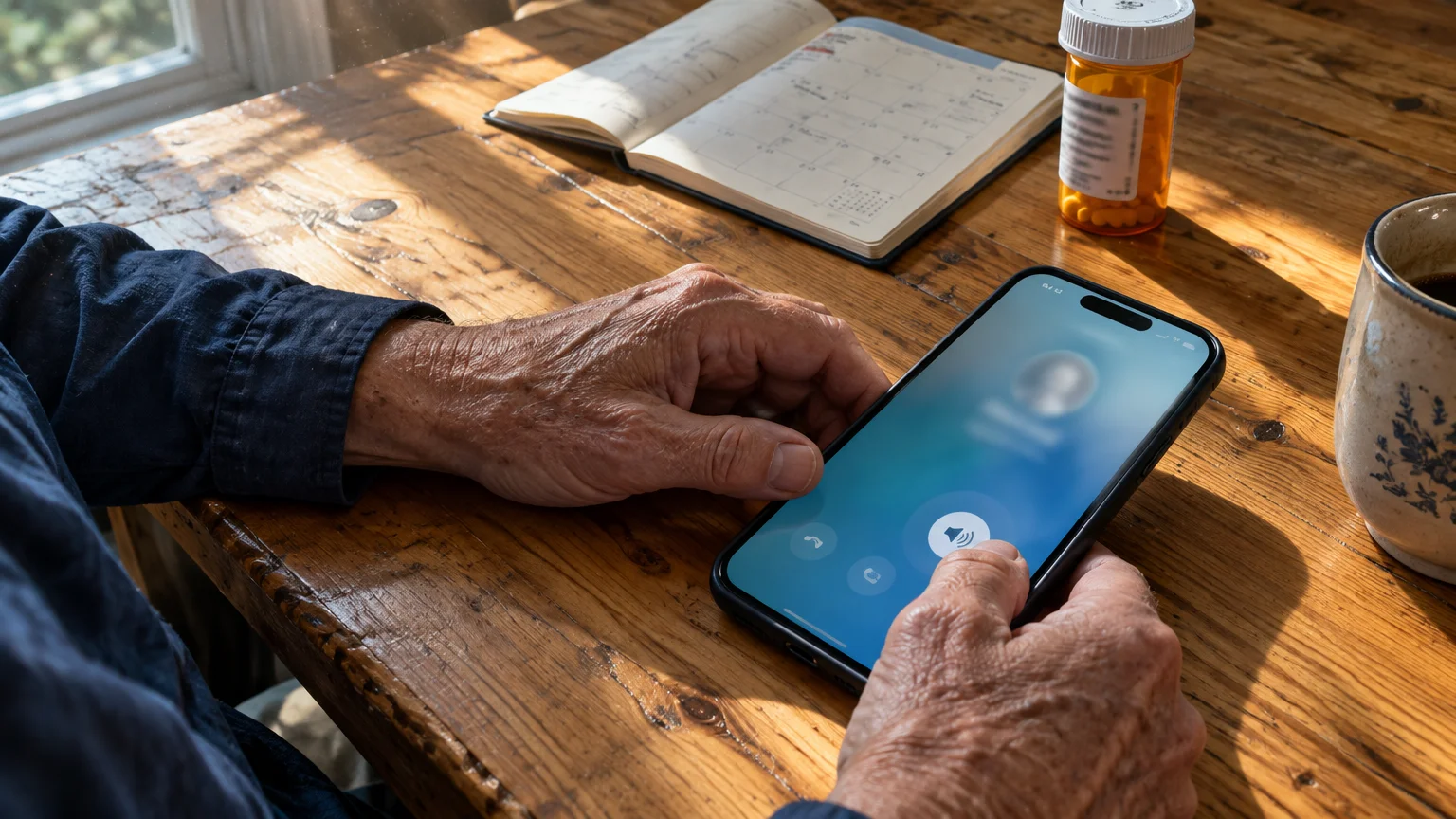
Step 1: Place an Initial Fraud Alert on Your Credit
A fraud alert is a free flag on your credit file that requires businesses to verify your identity before issuing credit. This single action establishes an immediate defense across the entire banking system.
Criminals use similar high-pressure warnings in tech support scams to frighten victims into giving up private details.
Under federal law, you only need to contact one of the three nationwide credit bureaus. That bureau must notify the other two automatically.
An initial fraud alert stays on your credit report for one full year. It forces lenders to call your phone number directly before approving new credit lines.
Use the automated phone system at Experian to set up this alert without waiting for a customer service representative:
- Dial Experian directly at 1-888-397-3742 on your phone.
- Press 2 to select fraud and identity theft assistance from the main audio menu.
- Enter your nine-digit Social Security number and date of birth using your telephone keypad.
- Press 1 when prompted to confirm the placement of a free initial fraud alert on your file.
- Listen to the confirmation recording and write down the date and tracking number on your notepad.
Experian will transmit your fraud alert notice to Equifax and TransUnion within 24 hours. This shields your credit profile while you complete the remaining protective steps.

Step 2: Freeze Your Credit at All Three Bureaus
A credit freeze is a free legal restriction that blocks lenders from accessing your credit report to approve new accounts. It provides stronger protection than a simple fraud alert.
If you shared passwords or allowed any software installations during the call, learn how to tell if your computer has been hacked to make sure your machine is clean.
Under the Economic Growth, Regulatory Relief, and Consumer Protection Act, credit freezes and unfreezes are 100% free nationwide. Bureaus cannot charge setup fees or temporary thaw fees.
Warning: A credit freeze blocks everyone, including you, from opening new credit cards or loans until you lift the freeze using a secure password or PIN.
Unlike fraud alerts, you must contact each credit bureau individually to establish a complete freeze. Scammers who bought or stole your data cannot bypass a frozen file.
Contact all three agencies using the direct freeze channels listed below:
- Call Equifax at 1-800-685-1111 or visit their website, select Credit Freeze, and create your account credentials.
- Call Experian at 1-888-397-3742, select Security Freeze, and save the custom security PIN provided during setup.
- Call TransUnion at 1-888-909-8872, select Freeze Credit, and record your private login details.
If you set up freezes online, store your usernames and passwords in a physical notebook in a secure drawer. You will need those details whenever you decide to unfreeze your credit in the future.
Review the guidelines on the Federal Trade Commission’s guide on phone scams to recognize the pressure tactics callers use to extract this information.

Step 3: Lock Your SSA Profile and Request an IRS IP PIN
Criminals holding a stolen Social Security number often target federal benefit payments next. They attempt to redirect direct deposit checks to prepaid debit cards under their control.
Be alert for follow-up messages claiming to be from government agencies, and learn how to spot red flags in scam emails.
Always type government web addresses directly into your browser’s address bar to stay clear of deceptive search results and fake websites designed to capture credentials.
You can prevent unauthorized account changes by claiming your official online profile before a thief tries to register it. Check the Social Security Administration’s guide to scam prevention for current alerts regarding benefit diversion schemes.
Follow these steps to inspect and lock your benefit records:
- Open your web browser and enter ssa.gov/myaccount in the address bar.
- Click Sign In and authenticate your account using Login.gov or ID.me credentials.
- Select Direct Deposit from the main dashboard and verify that your regular bank routing and checking account numbers match your checks.
- Select Security Settings and turn on multi-factor authentication so every login requires a text message code sent to your mobile phone.
- Click Save to confirm your updated security preferences.
Next, protect your annual tax returns from fraudulent refund claims. An Identity Protection PIN is a six-digit code assigned by the IRS that prevents anyone else from filing a tax return using your Social Security number.
Go to irs.gov/ippin and click Get an IP PIN. Log in with your verified credentials to view your unique annual six-digit security code.
The IRS requires this code on every future tax filing. Without it, the IRS electronic system rejects any return submitted under your Social Security number automatically.

Step 4: Report the Incident to Federal Agencies
Once you secure your credit files and government accounts, file formal recovery reports. These documents prove you took prompt defensive action if someone attempts to misuse your name later.
Once your identity is secured, follow best practices to shop online safely so your payment details stay protected.
Imposter phone calls operate just like telephone-based phishing schemes, using urgency and fear to manipulate you into revealing confidential data.
Start by submitting a detailed report through the FTC’s identity theft portal. This government system produces an official Identity Theft Report and an itemized recovery plan.
Complete your federal declarations using the following sequence:
- Go to IdentityTheft.gov and click Get Started.
- Select Someone has my information and I want to protect myself from the list of options.
- Enter the details of the call, including the impostor’s claimed agency name and the phone number that appeared on your caller ID.
- Download and print your completed FTC Identity Theft Report to keep in your permanent home records.
- Call the SSA Office of the Inspector General at 1-800-269-0271 or submit the incident online at oig.ssa.gov.
Keep a physical copy of your FTC report. Banks, credit card companies, and police departments require this document to remove fraudulent charges or investigate impersonation cases.
If you notice suspicious charges or believe someone in your local community compromised your records, bring the FTC report to your local police department. Request a formal police report number for your files.

Worked Scenario: How Eleanor Contained an SSA Imposter Scam
Eleanor is a 73-year-old retired teacher living in Ohio. At 10:15 AM on a Tuesday, she answered a call from a number labeled “Social Security Administration.”
Imposters don’t just use telephone calls—staying alert against social media scams targeting seniors is another vital step in keeping your identity safe.
To keep persistent fraudsters from reaching your line again, you can also set up rules to block unwanted calls on your smartphone and silence unknown numbers.
The caller claimed to be Inspector General Martin and insisted her number was tied to a vehicle abandoned near the southern border. He demanded her nine-digit Social Security number to confirm her identity and clear her record.
Eleanor provided the number over the phone. After ending the call at 10:25 AM, she realized government agencies do not make threatening phone calls and recognized that she gave social security number to scammer operatives.
Eleanor grabbed a notepad and executed our emergency protocol:
- 10:30 AM: Eleanor called Experian at 1-888-397-3742 and placed an automated, free one-year fraud alert across all three bureaus.
- 10:45 AM: She visited TransUnion, Equifax, and Experian online, creating freeze accounts and writing down each security password in her spiral notebook.
- 11:05 AM: She signed into ssa.gov, checked her direct deposit routing numbers, and verified that her monthly retirement deposit remained directed to her credit union.
- 11:20 AM: Eleanor accessed irs.gov/ippin, generated a six-digit annual IP PIN, and stored it with her previous year’s tax returns.
- 11:35 AM: She completed an intake form at IdentityTheft.gov and printed her official theft affidavit.
Because Eleanor acted within 70 minutes, scammers could not exploit her information. When someone attempted to apply for a retail store credit card using her number three days later, the frozen credit file blocked the application instantly.
Comparing Protection Methods: Fraud Alert vs. Credit Freeze vs. Credit Lock
Financial companies advertise different tools to protect personal records. Understanding the differences helps you choose the right legal protections for your situation.
Many credit bureaus market proprietary credit lock subscriptions that carry monthly fees. Federal credit freezes provide stronger legal safeguards and remain completely free by federal mandate.
| Protection Method | Setup Cost | Duration | Legal Protection Level | Bureau Notification |
|---|---|---|---|---|
| Initial Fraud Alert | Free by law | 1 year | Federal requirement under the Fair Credit Reporting Act | One call alerts all 3 bureaus automatically |
| Extended Fraud Alert | Free by law | 7 years | Federal requirement (requires official Identity Theft Report) | One bureau alerts the other 2 bureaus |
| Credit Freeze | Free by law (since Sept. 2018) | Permanent until lifted | Federal statutory protection under federal credit law | Must be placed separately at each bureau |
| Credit Lock | Often requires monthly fee | Varies by plan contract | Private contract terms with mandatory arbitration clauses | Separate setup for each private company product |
A credit freeze is the gold standard for anyone who discloses personal data during an accidental ssn scam call. Do not pay for private credit lock apps when statutory credit freezes provide better legal rights for free.

How to Monitor Your Credit and Review Weekly Reports
Setting up your freezes halts new credit lines, but you must monitor existing accounts for unauthorized activity. Criminals may attempt to access existing store cards or bank profiles.
Under rules made permanent by the FTC and credit bureaus in October 2023, you can inspect your complete credit reports once every week for free. You do not need to wait a full year between credit checks.
Access your free weekly credit files through the official central portal:
- Go to AnnualCreditReport.com or call 1-877-322-8228 on your telephone.
- Click Request your free credit reports on the main landing screen.
- Enter your legal name, current address, Social Security number, and date of birth.
- Answer the identity authentication questions regarding prior mortgages, vehicle loans, or cities of residence.
- Select the credit bureau report you wish to view, download the PDF, and print a copy for review.
Review the personal information section carefully. Look for unfamiliar mailing addresses, alternate phone numbers, or misspelled variations of your name.
Examine the inquiries section for recent credit checks initiated by loan providers you never contacted. If you see unfamiliar inquiries, notify the bureau immediately using the dispute button on their website.
Device Settings and Accessibility Adjustments for Security Calls
Dealing with phone menus and account verification screens can cause eye fatigue. Adjusting your device settings makes reading security codes and entering account numbers much easier.
If you use an iPhone or iPad, increase your system font size to read confirmation emails and text codes clearly. Follow the steps on Apple’s guide to making text bigger on iPhone to adjust screen text across all apps.
To enlarge screen text on an iPhone:
- Tap the Settings gear icon on your home screen.
- Tap Accessibility in the third settings group.
- Tap Display & Text Size.
- Tap Larger Text and toggle Larger Accessibility Sizes to the on position.
- Drag the slider at the bottom of the screen to the right until words appear comfortable to read.
On Android phones, go to Settings, tap Accessibility, and select Font size and display size to increase text clarity. You can also turn on the Magnification shortcut to zoom into small account numbers on credit bureau websites.
To silence fraudulent calls before your phone rings, turn on built-in spam call filters. On an iPhone, go to Settings, tap Phone, and turn on Silence Unknown Callers.
This setting sends callers who are not in your address book straight to voicemail. Genuine government officials and personal physicians will leave a recorded voicemail message that you can review safely.
Frequently Asked Questions
Can the Social Security Administration issue me a new Social Security number?
The Social Security Administration rarely issues new numbers. They only consider new numbers when severe, documented identity theft continues to cause ongoing financial harm after you have exhausted all other legal remedies.
A new number does not erase your existing credit file or personal history. Credit bureaus cross-reference your name and previous address with your new number, meaning previous records remain linked.
Will a credit freeze lower my credit score?
Placing a credit freeze has zero impact on your credit score. It does not stop your regular monthly utility payments, mortgage contributions, or credit card bills from reporting positive payment history.
Freezing your credit only prevents third-party financial institutions from pulling your credit report to open unauthorized new accounts.
Does placing a fraud alert freeze my bank account?
No, a fraud alert does not restrict your existing bank accounts, debit cards, or ATM withdrawals. It only requires businesses to verify your identity when reviewing new applications for credit.
You can continue to deposit checks, withdraw cash, and use your existing payment cards without any disruption.
Can scammers change where my Social Security retirement benefit is deposited?
Scammers attempt to reroute payments if they gain access to your Social Security login. However, logging into ssa.gov and enabling multi-factor authentication prevents unauthorized changes to your direct deposit records.
The SSA also sends physical letters to your registered home address whenever banking routing numbers update, providing an early warning of any tampering.
Note: Menus and button names change with software updates. These steps were written for current versions as of 2026; if a screen looks different on your device, the maker’s support page linked above has the latest wording.
ClearTechGuide is independent and is not affiliated with Apple, Google, Microsoft, Amazon or any other company mentioned.